Enlisted: the WWII squad shooter, explainedEnlisted, explained
A free-to-play World War II shooter where you do not command one soldier — you command a whole squad. Here is how the vehicles, classes and squad system actually work, before you install it.
Free-to-play WWII squad combat, explained for new players.
This page is free to read because it carries advertising. The buttons marked Sponsored are affiliate links: if you follow one and create an account, we may be paid a commission by the advertiser. You pay nothing extra, you are under no obligation, and it does not change a word of the guide below. How we are funded →
Enlisted: a complete guide to the WWII squad shooter
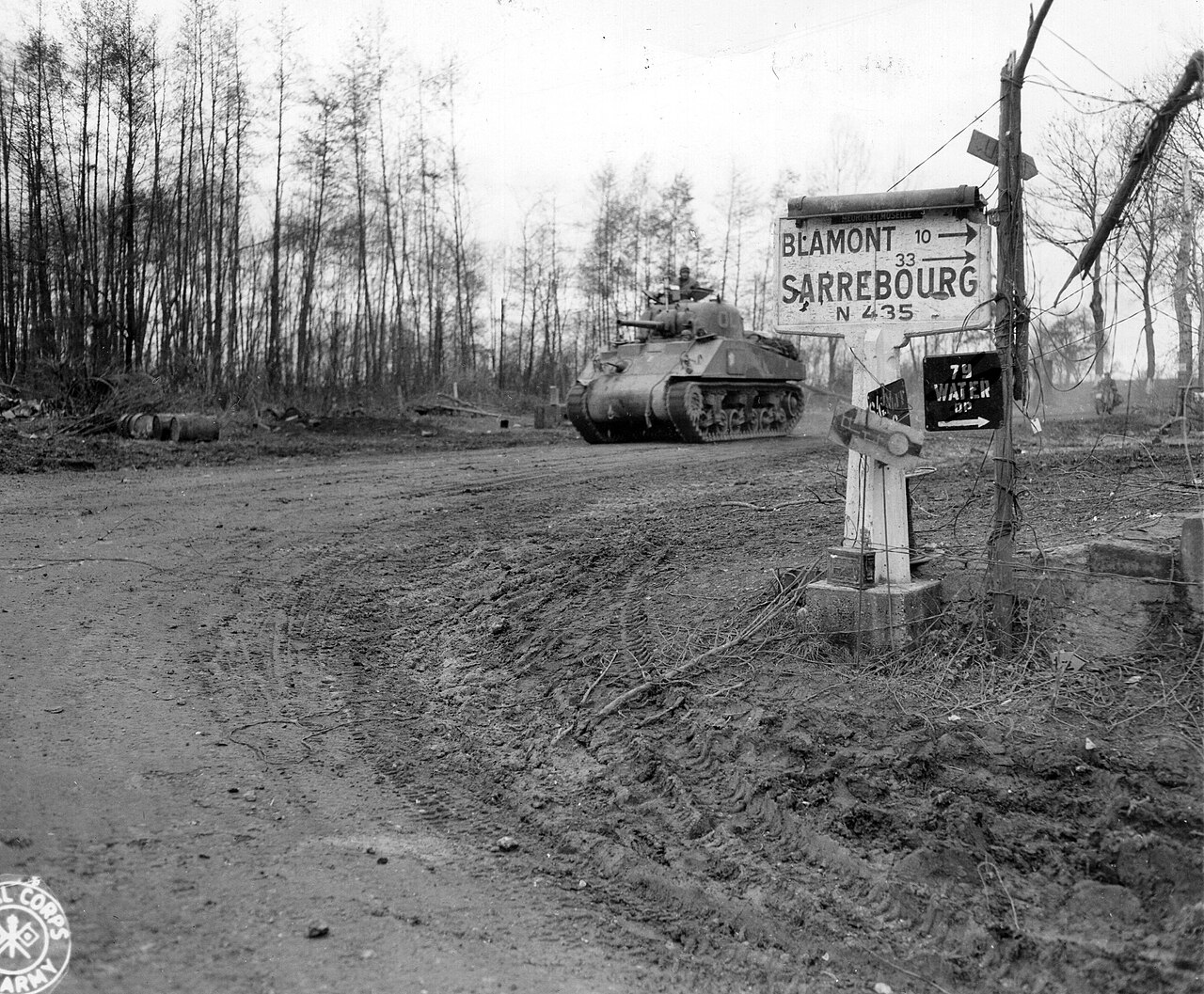
Enlisted is a free-to-play World War II shooter developed by Darkflow Software and published by Gaijin Entertainment. Its distinguishing feature is not its scale but its structure: instead of controlling a single soldier, you control a squad, and the soldiers you are not personally aiming with keep fighting under AI control. This guide covers what that means in practice — the vehicles, the classes, how squads work, what it costs, and who it is for.
What is Enlisted?
Enlisted places you in the middle of one of the most intense conflicts in modern history. Unlike a traditional first-person shooter, where you are one rifleman among many, Enlisted gives you a squad of soldiers. You directly control one of them at a time and can switch between them; the rest follow your orders and fight on their own. Battles are fought between teams of players across maps that recreate real engagements, and the game is organised into campaigns covering several theatres of the war — the Eastern Front, Normandy, the Ardennes, North Africa and the Pacific among them — letting you fight from multiple national perspectives including the Soviet Union, Germany, the United States and the United Kingdom.
The core loop is simple: you take a squad onto the map, coordinate with your team, and push the objective together. The depth comes from the interplay between infantry, vehicles and the ground itself. A well-timed tank ambush can turn a losing battle, just as a coordinated infantry push can dislodge a dug-in position. Because your squad keeps fighting when you are not looking through its eyes, positioning matters as much as aim — where you leave your soldiers is a decision, not an afterthought.
The game is free to download and play. Money comes in through cosmetic items, premium currency, optional battle passes and premium squads and vehicles, which can shorten the grind or give access to particular equipment sooner. Players disagree about how much advantage that buys; what is not in dispute is that the game is playable and progressable without spending, and that the core campaigns, classes and vehicle lines are reachable through ordinary play. Judge that trade-off for yourself before you spend.
Vehicle types & tactics
Vehicles are the backbone of Enlisted’s combined-arms fighting. They provide mobility, firepower, and the ability to break stalemates that infantry alone cannot resolve. Understanding each type and the tactics it enables is essential for any player who wants to contribute meaningfully.
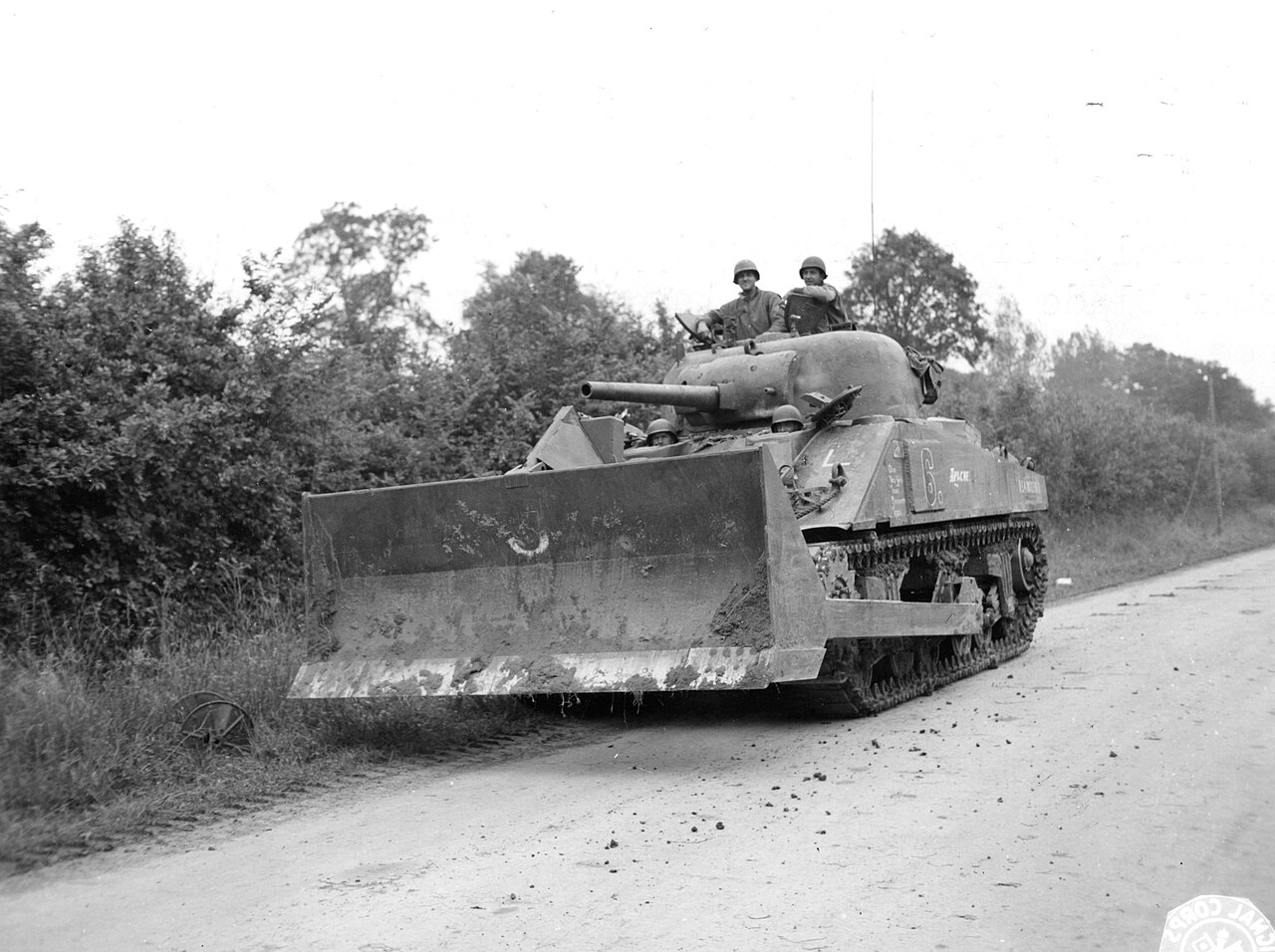
Tanks (medium & heavy) — The medium tank is the workhorse of the armoured force. It balances armour, speed and firepower, making it ideal for flanking manoeuvres and for supporting an infantry advance. Heavy tanks, with thicker armour and more powerful guns, work best as mobile strongpoints in defence or as the spearhead of a direct assault. The key tactic for both is to use terrain: hull-down positions, ridgelines and building cover dramatically increase survivability. Never expose your side armour in the open — a single hit from a well-placed anti-tank gun can end your run.
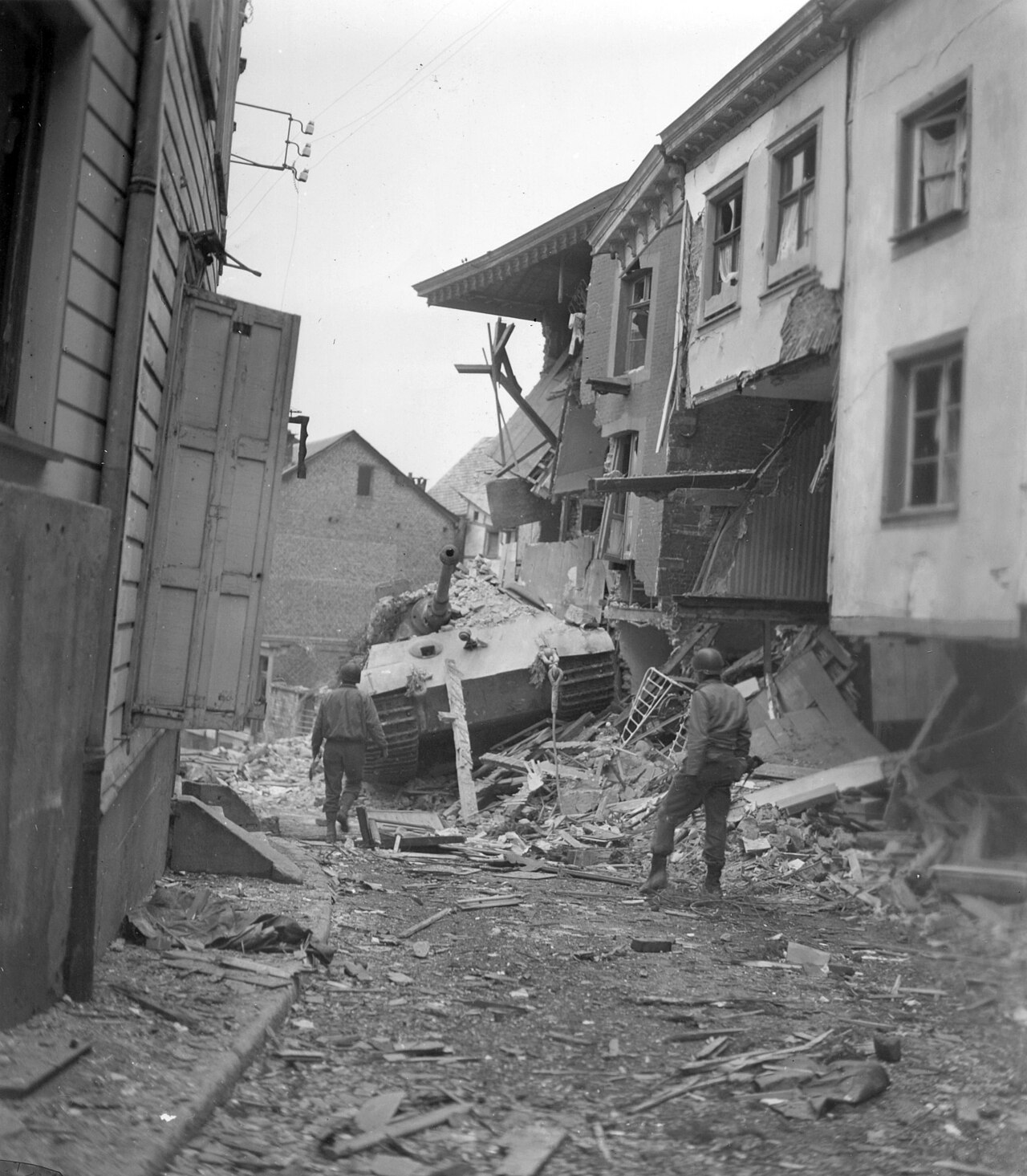
Light tanks & recon vehicles — Fast, lightly armoured, and armed with smaller-calibre guns. Their role is not to win tank duels but to scout, screen the main force and hit and run. The classic tactic is to push ahead of the main body, identify enemy positions and relay what you find. If you spot a heavy tank you do not fight it — you fall back and bring the main force. Light vehicles also excel at flanking: their speed lets them circle to the enemy’s rear, where armour is thinnest.
Self-propelled artillery — Large-calibre guns on a tracked chassis, combining the mobility of a tank with the firepower of a field gun. The tactic is to stay at range: find a position with a clear line to the objective and soften it before infantry or armour advance. These vehicles are fragile up close and must never be driven like a tank. The best crews use elevation, firing from high ground where shells arc over obstacles.
Anti-tank vehicles — Purpose-built tank killers. They carry a powerful gun but often lack a secondary machine gun and have thin armour. Their role is to hold a line against armoured assault. Pick a chokepoint — a narrow road, a gap between buildings, a forest edge — and wait for the enemy to enter it. Devastating in defence, poor in offence: use them to protect an advance, not to lead it.
APCs & armoured cars — Armoured personnel carriers move infantry to the front and provide mobile fire support; they can carry a squad, drop it at a key point and cover the dismount with machine-gun fire. Armoured cars are faster but less protected, ideal for rapid repositioning and screening. The tactic here is combined arms in miniature: the vehicle moves the infantry, the infantry dismounts and fights, and the vehicle covers from a safe distance.
Classes & roles
Your role is determined by the squad and class you bring into the match. Each class has a distinct loadout, movement profile and tactical purpose. Choosing the right one for the situation — and understanding how it interacts with the others — is what separates a casual player from an effective one.
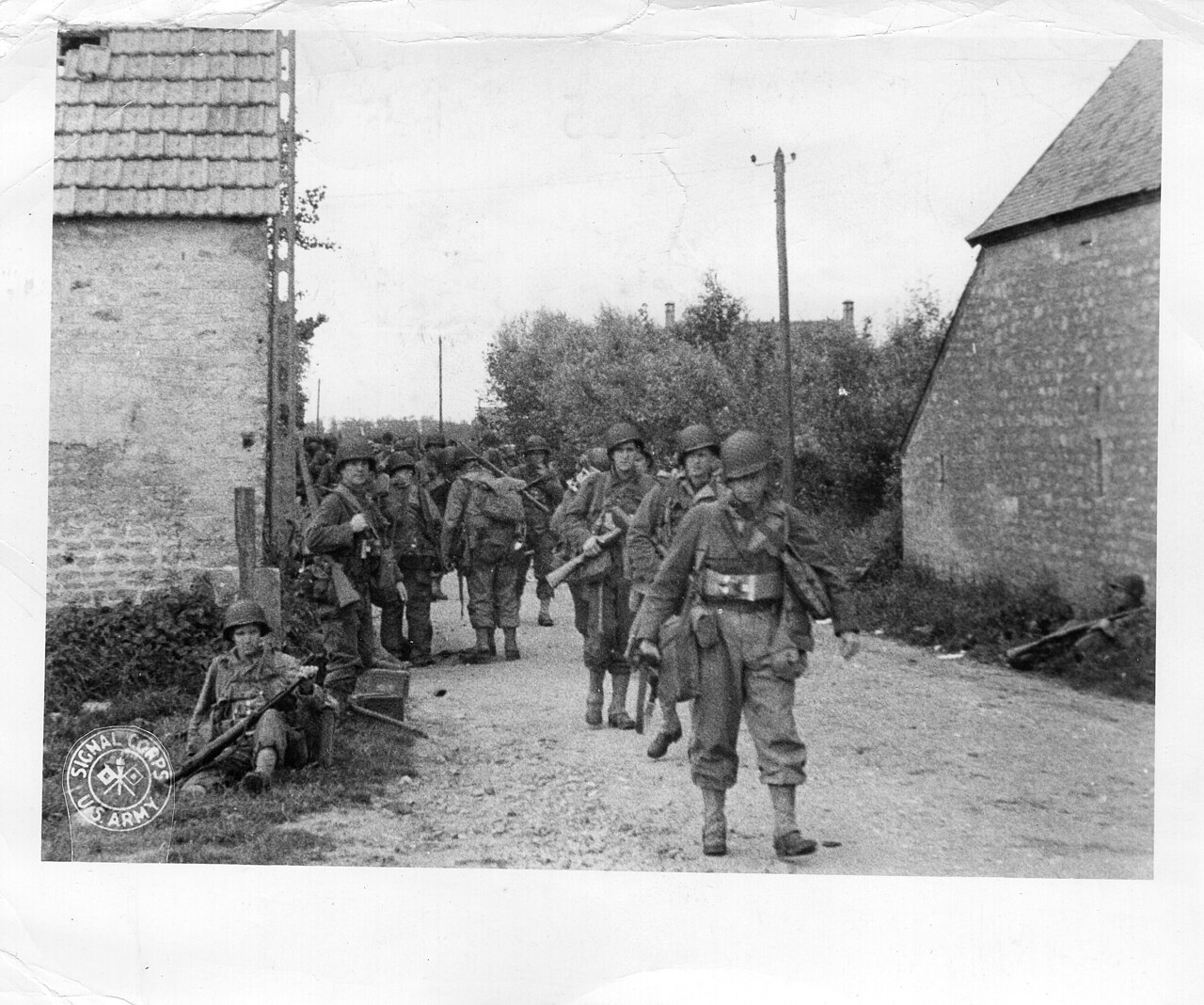
Rifleman — The default and most versatile class, carrying a standard rifle with a moderate rate of fire and good accuracy at medium range. Riflemen are the backbone of any squad: reliable, balanced, effective in most situations, and usually able to carry grenades and a sidearm. Hold key positions, provide suppressive fire, support the specialists. If you are new, start here — the class teaches positioning, aim and squad handling at the same time.
Machine gunner — Carries a belt-fed or magazine-fed machine gun with a high rate of fire and poor accuracy at long range. The role is sustained suppressive fire: pinning the enemy in cover so they cannot reposition. Most effective in defence or covering an advance. Deploy on a bipod, pick a lane, and keep firing. You do not need to kill everyone — you need to keep their heads down so your squad can move.
Medic — Carries a healing kit and can bring downed soldiers back into the fight. Losing bodies is what loses you a position, so a medic who keeps the squad at strength changes the arithmetic of a battle. Medics carry a sidearm or submachine gun for self-defence, but their job is support. Stay close, watch for the downed, and pick your moment — a well-timed revive saves an objective, a reckless one costs two soldiers instead of one.
Engineer — Carries tools for building and repairing. Engineers construct defences, ammunition points and rally positions, repair damaged vehicles, and place explosives. They are essential in any match where vehicles matter. Stay near your armour, keep it running, and use explosives against enemy vehicles threatening your position. Engineers are also the class that turns a captured building into a position your team can actually hold.
Scout / sniper — Carries a bolt-action rifle with high damage at long range. The role is removing high-value targets — machine gunners, vehicle crews, engineers building defences — from a distance, and spotting for the team. Most effective on maps with long sightlines. Pick a position with a clear view of the approach, wait, take the shot — then move. Snipers are fragile, and a static sniper whose position is known is simply a target. Relocate often and use terrain to cover the move.
Squad mechanics
This is the part that most distinguishes Enlisted from other shooters, and the part new players most often misunderstand. A squad is not a group of players — it is your unit of soldiers. You bring squads into battle, you control one soldier in the active squad at a time, and the rest of that squad’s soldiers fight under AI control, following your orders. When the soldier you are controlling falls, you can take over another soldier in the same squad and keep going. When the squad is wiped out, you deploy your next one.
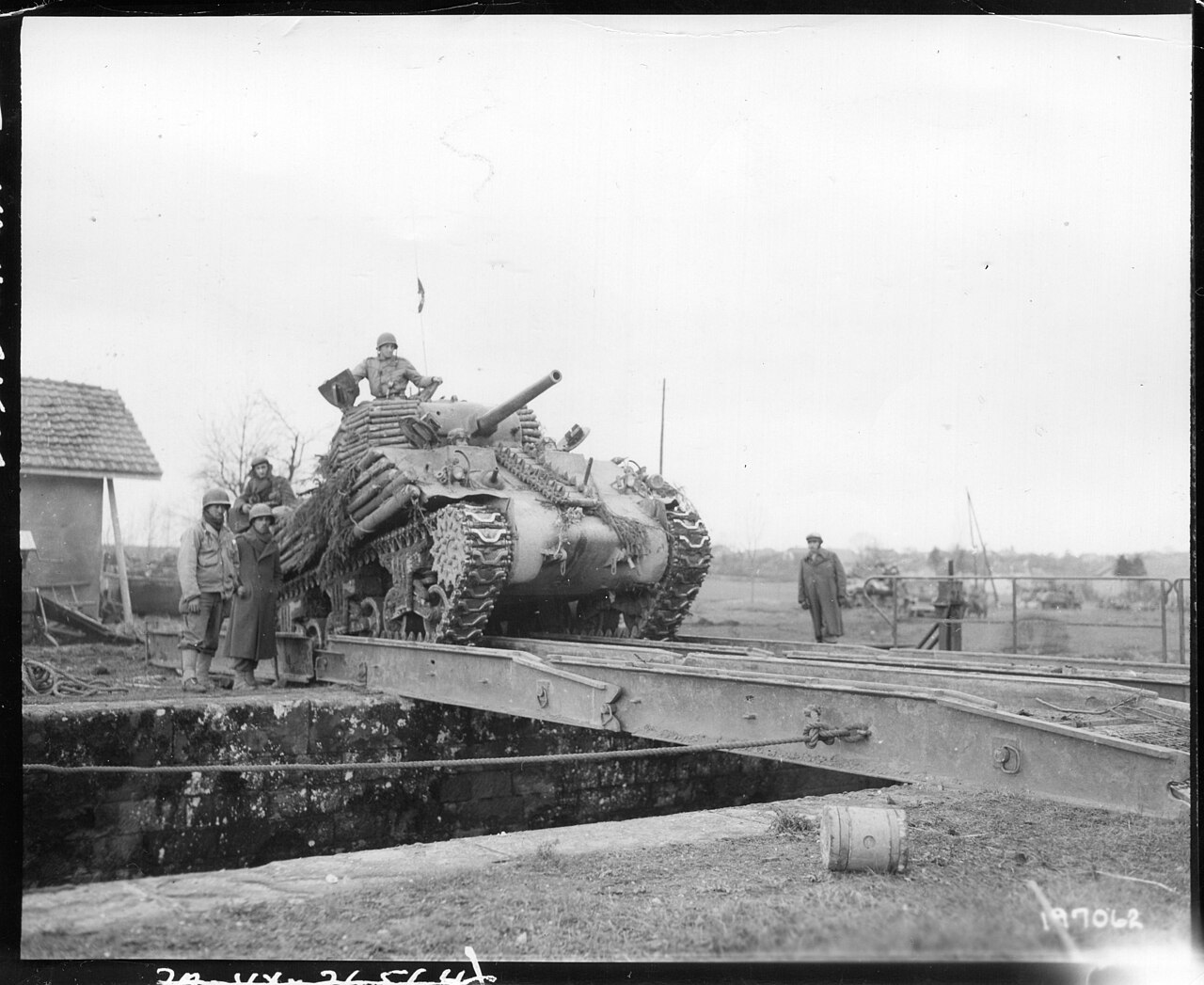
Squad composition — You take several squads into a match and choose which to deploy, so the real decision is made before the battle: a balanced line-up typically mixes a rifle squad, a machine-gun or assault squad, an engineer squad and either armour or a sniper squad, depending on the map. A defensive position rewards engineers and machine guns. An attack on open ground rewards armour and mobility. The aim is to have the right tool available when the match asks for it, because you cannot fetch one mid-battle.
Orders and positioning — Because your AI soldiers keep fighting where you leave them, where you position the squad is a tactical decision with consequences. Leave riflemen covering a doorway and they will hold it. Walk the whole squad into the open and you will lose all of it to one burst. Move in short bounds, use cover, and think of the squad as a formation you are shaping rather than a group of followers.
Communication — Between players, clear and concise communication is the difference between a coordinated assault and a disorganised charge. Call out enemy positions, vehicle movements and your own intentions, and use the marking system for objectives, enemies and hazards. A team that communicates will beat a team with better individual aim more often than not.
Reinforcement — Because losing a squad costs you a deployment rather than the match, attrition is the real currency. Engineers building rally and ammunition points, medics keeping soldiers on their feet, and players who do not throw squads away one at a time are what wins long objective fights.
Player count & matchmaking
Enlisted’s standard battles are fought between teams of players who each command their own squads, so the number of soldiers on the field is several times the number of players. That combination — a manageable number of human opponents, a battlefield full of soldiers — is what gives the game its particular feel: more tactical than a large-scale shooter, more populated than a small-squad one. Your individual decisions carry real weight, because you are not one rifle in a crowd; you are the commander of a unit.
Matchmaking pairs players by region and by the strength of the equipment they bring, so that newly started squads are not routinely dropped opposite fully upgraded ones. Queue times vary with the time of day, your region and the campaign you choose, and less popular campaigns can be noticeably slower to fill at off-peak hours. Exact matchmaking behaviour is adjusted by the developer over time, so treat any specific numbers you read online — including here — as a snapshot rather than a rule.
Beyond the standard battles the game offers additional modes, practice options and periodic event modes. The practice options are the sensible place to learn vehicle handling and class-specific equipment without the pressure of a live objective.
How to get started
If you are new, here is a sensible order. Start in practice to get used to the controls, the feel of the weapons and — most importantly — switching between soldiers in a squad, which is the mechanic that will confuse you first. Then play a few live battles without worrying about your score, purely to learn how squads behave when you are not looking at them.
Focus on one or two classes at the start. Master the rifleman and the machine gunner before branching into specialised roles, because both teach the fundamentals that the other classes assume you already have. Learn one campaign’s maps properly rather than all of them badly: know the chokepoints, where armour can and cannot go, and which buildings are worth holding. And use the engineer — new players consistently under-use the class that builds the positions everyone else fights from.
Enlisted rewards patience, coordination and tactical thinking. It is not the fastest shooter on the market and it is not the most immediately accessible: the squad system takes a few hours to click, and the first of those hours can be frustrating. If you want a shooter you can understand in ten minutes, this is not it. If you want one where positioning a unit matters as much as aim, there is very little else like it.
Age rating, cost & platforms
Cost. The game is free to download and play. It offers optional purchases: cosmetics, premium currency, battle passes and premium squads or vehicles. You can play and progress without paying. As with any free-to-play title, decide your own budget before you start, and be aware that optional purchases are how the game is funded.
Platforms. Enlisted is available on PC and on current-generation consoles, including PlayStation and Xbox. Availability, system requirements and regional restrictions are set by the publisher and by each platform’s store, and can change — check the official store listing for your platform and region before you plan around it.
Ready to try it?
Enlisted is free to download, so the only real cost of finding out whether you like it is the time it takes the squad system to click. Whether you prefer the patience of a sniper, the weight of a tank gun or the steady discipline of a machine gun, there is a role here for you — and, unusually for the genre, a reason to think about where you put the four soldiers you are not currently aiming with.
About this guide
Independence. This guide was written by the vervantis.online editorial team. It was not commissioned, reviewed or approved by Gaijin Entertainment, Darkflow Software or any other publisher, and no payment was accepted in exchange for a favourable description. It contains affiliate links, which are labelled as sponsored wherever they appear.
Accuracy. Game mechanics, pricing, platform availability and age ratings are set by the publisher and change with updates. Everything here describes the game as we understood it on . For authoritative and current details — including system requirements, regional availability and the current monetisation model — consult the official website and the store page for your platform. If you find something here that is wrong or out of date, please tell us and we will correct it.
Images. The photographs illustrating this guide are historical public-domain photographs taken by the U.S. Army Signal Corps during the Second World War, credited individually beneath each image. They are historical documents, not screenshots, and do not depict in-game content.